Creative textiles featuring lolajack designs elevate modern home aesthetics effortlessly
- Creative textiles featuring lolajack designs elevate modern home aesthetics effortlessly
- The Artistic Foundation of lolajack-Inspired Textiles
- The Role of Color and Pattern
- Applications of lolajack Textiles in Home Decor
- Care and Maintenance of lolajack Textiles
- Addressing Stains and Damage
- The Future of lolajack-Inspired Design
- Beyond the Home: Expanding Creative Applications
Creative textiles featuring lolajack designs elevate modern home aesthetics effortlessly
The world of interior design is constantly evolving, with a growing appreciation for unique and artistic textiles. Among the emerging trends, designs incorporating the name and aesthetic of “lolajack” are gaining significant traction, offering a fresh perspective on modern home aesthetics. These aren't just fabrics; they are statements, injecting personality and a vibrant energy into living spaces. The appeal lies in the designs’ ability to bridge the gap between contemporary style and handcrafted artistry, appealing to a broad range of tastes.
The growing popularity is fuelled by a desire for individuality and a rejection of mass-produced, homogenous decor. Consumers are seeking pieces that tell a story, that reflect their personal style, and that stand out from the crowd. The designs, often featuring bold colors, imaginative patterns, and a touch of whimsy, provide the perfect solution. This movement signifies a shift towards valuing quality, craftsmanship, and the unique charm that distinctive textile designs can bring to a home. It’s about creating spaces that feel curated, intentional, and truly reflective of the people who inhabit them.
The Artistic Foundation of lolajack-Inspired Textiles
The aesthetic associated with “lolajack” isn't easily categorized, which is part of its inherent appeal. It draws inspiration from a myriad of sources, blending elements of pop art, folk art, and abstract expressionism. This eclectic mix results in designs that are simultaneously playful and sophisticated, vibrant and calming. Often, the imagery used incorporates natural motifs – flowers, leaves, birds – rendered in a stylized and often slightly surreal manner. The color palettes are typically bold and unexpected, eschewing traditional combinations in favor of more daring and visually striking arrangements. This bold approach allows the textiles to become focal points within a room, instantly elevating the overall aesthetic.
The techniques employed in creating these textiles are as diverse as the designs themselves. From hand-painting and screen-printing to digital design and embroidery, artisans are experimenting with a wide range of methods to bring the “lolajack” vision to life. This diversity ensures that each piece feels unique and handcrafted, despite variations in production methods. The use of high-quality materials, such as organic cotton, linen, and silk, further enhances the appeal, adding a sense of luxury and longevity to the pieces. Ultimately, the artistic foundation is built upon a willingness to experiment and a dedication to creating designs that are both visually captivating and emotionally resonant.
The Role of Color and Pattern
Central to the “lolajack” aesthetic is a masterful use of color and pattern. It isn't uncommon to find textiles that pair seemingly clashing hues, like mustard yellow with electric blue, or fuchsia with forest green. However, these combinations are executed with a deliberate sensitivity to balance and harmony, preventing them from feeling jarring or overwhelming. Patterns, too, are often complex and layered, incorporating a mix of geometric shapes, organic forms, and whimsical illustrations. The strategic repetition of motifs and the playful manipulation of scale contribute to the overall visual dynamism. This approach creates a sense of energy and movement, drawing the eye and inviting closer inspection.
The influence of vintage textiles and traditional crafts is often apparent in the color and pattern choices. Artisans draw inspiration from historical motifs, reinterpreting them in a contemporary context. This fusion of old and new creates a sense of timelessness, ensuring that the designs remain relevant and appealing across generations. Experimentation with texture further enhances the visual impact, with techniques like quilting, appliqué, and embroidery adding depth and dimension to the fabric surface. The result is a collection of textiles that are both visually stimulating and tactilely satisfying.
| Textile Type | Common Materials | Typical Applications | Price Range (approx.) |
|---|---|---|---|
| Cotton Canvas | 100% Cotton | Curtains, Upholstery, Wall Hangings | $20 – $50 per yard |
| Linen Blend | Linen, Cotton | Table Linens, Bedding, Drapery | $30 – $70 per yard |
| Silk Screen Print | Silk, Water-Based Inks | Cushion Covers, Scarves, Decorative Panels | $50 – $150 per yard |
| Velvet (lolajack design) | Cotton, Polyester Blend | Upholstery, Accent Pillows, Throws | $60 – $200 per yard |
These estimated prices can vary based on complexity of design and the artisan. The true value resides in the unique artistic quality of each piece.
Applications of lolajack Textiles in Home Decor
The versatility of “lolajack”-inspired textiles allows them to be seamlessly integrated into a wide range of interior design schemes. They can function as statement pieces, drawing attention and setting the tone for an entire room, or they can serve as subtle accents, adding a touch of personality and visual interest. From luxurious curtains and upholstered furniture to playful cushions and vibrant wall hangings, the possibilities are endless. Their bold designs can breathe new life into otherwise neutral spaces, while their vibrant colors can complement and enhance existing color palettes. The key is to strike a balance, ensuring that the textiles work in harmony with the overall aesthetic rather than overpowering it.
One particularly effective way to incorporate these textiles is through layering. Combining different patterns, textures, and colors can create a rich and inviting atmosphere. For example, a sofa upholstered in a bold “lolajack” print can be paired with cushions in complementary colors and textured throws. Similarly, a “lolajack” inspired rug can anchor a seating area and add a touch of whimsy to a living room. The use of these textiles isn’t limited to the living room either; they can also add a touch of artistry to bedrooms, dining rooms, and even kitchens. The enduring appeal comes from their versatility; they can be adapted to suit a variety of styles, from bohemian to minimalist.
- Living Room: Accent pillows, throws, curtains, wall art.
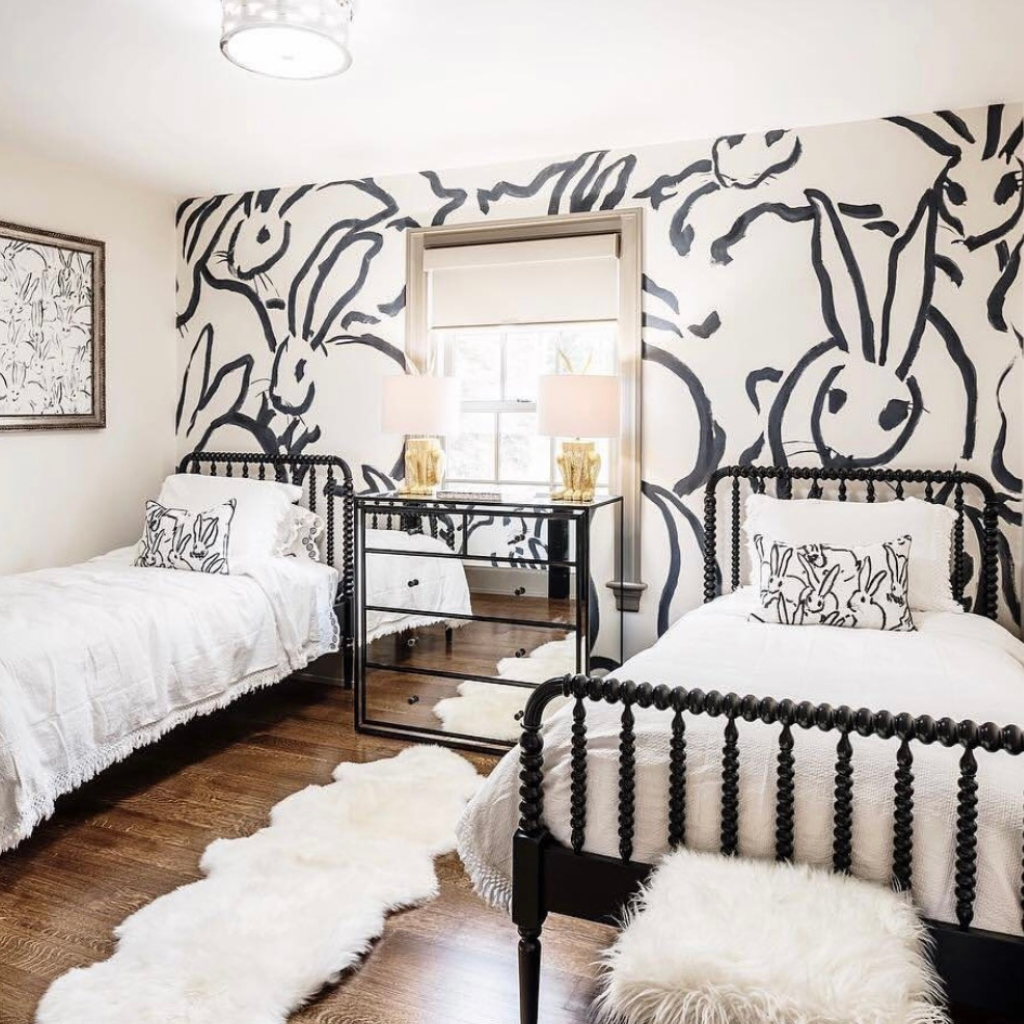
- Bedroom: Bedding, headboards, bedside runners.
- Dining Room: Table runners, placemats, chair upholstery.
- Kitchen: Window treatments, tea towels, seat cushions.
- Home Office: Desk accessories, chair upholstery, wall hangings.
The adaptability of these designs allows for a personalized touch, transforming homes into unique and inspiring sanctuaries. It’s about more than just aesthetics; it’s about creating spaces that evoke positive emotions and reflect the individual personalities of their occupants.
Care and Maintenance of lolajack Textiles
Investing in high-quality textiles is a long-term commitment, and proper care is essential to ensure their longevity and preserve their vibrant colors and intricate designs. The specific care instructions will vary depending on the material and construction of the textile, so it’s always best to consult the manufacturer’s label. However, there are some general guidelines that can be followed to keep these pieces looking their best. Regular cleaning, gentle washing, and proper storage are key to maintaining their beauty and integrity. Avoiding harsh chemicals and excessive sunlight exposure will also help to prevent fading and damage.
For delicate fabrics like silk and linen, professional cleaning is often recommended. For more durable fabrics like cotton and polyester blends, machine washing is usually acceptable, but it’s important to use a gentle cycle and a mild detergent. Avoid using bleach or fabric softeners, as these can damage the fibers and fade the colors. When drying, it’s best to air dry the textiles or tumble dry them on a low setting. Storing textiles properly can also help to prevent damage. Fold them neatly and store them in a cool, dry place away from direct sunlight. For long-term storage, consider using acid-free tissue paper to protect the fabrics from dust and moisture.
Addressing Stains and Damage
Accidents happen, and it’s important to address stains and damage promptly to prevent them from becoming permanent. For minor stains, try blotting the area with a clean, damp cloth. Avoid rubbing, as this can spread the stain and damage the fibers. For more stubborn stains, you may need to consult a professional cleaner. If the textile is torn or damaged, consider repairing it yourself or taking it to a qualified seamstress. With a little care and attention, you can keep your “lolajack”-inspired textiles looking beautiful for years to come. Regular inspection can also identify potential issues before they escalate.
Preventative measures are also important. Consider using stain-resistant sprays or protectors, especially for textiles that are likely to be exposed to spills or dirt. Rotate your textiles regularly to distribute wear and tear evenly. By taking these simple steps, you can prolong the life of your textiles and enjoy their beauty for many years.
- Check the care label before washing.
- Use a mild detergent and gentle cycle.
- Avoid bleach and fabric softeners.
- Air dry whenever possible.
- Store textiles in a cool, dry place.
These care tips offer a proactive approach to preserving the quality of your investment.
The Future of lolajack-Inspired Design
The growing popularity of “lolajack” designs suggests a promising future for this unique aesthetic. As consumer demand for individuality and artistic expression continues to increase, we can expect to see even more innovative and captivating textiles emerge. Designers and artisans are already experimenting with new materials, techniques, and color palettes, pushing the boundaries of what’s possible and creating pieces that are truly one-of-a-kind. The integration of sustainable practices is also becoming increasingly important, with a growing emphasis on using eco-friendly materials and ethical production methods.
This trend is not merely a passing fad; it represents a fundamental shift in the way people approach home decor. It’s about creating spaces that are not just aesthetically pleasing, but also meaningful and personal. The distinctive aesthetic provides a foundation for self-expression, allowing individuals to curate interiors that reflect their unique tastes and values. We can anticipate a wider range of collaborations between artists and textile manufacturers, leading to even more accessible and diverse collections. The fusion of traditional craftsmanship with contemporary design principles will undoubtedly continue to drive innovation and shape the future of textile artistry.
Beyond the Home: Expanding Creative Applications
The influence of the “lolajack” aesthetic isn’t limited to interior design. Its bold and expressive qualities also lend themselves well to a variety of other creative applications, including fashion, accessories, and even art installations. The distinctive designs are increasingly appearing on clothing, handbags, and jewelry, adding a touch of whimsy and personality to everyday style. Artists are incorporating these patterns into their paintings, sculptures, and mixed-media works, further expanding the reach of this captivating aesthetic. This crossover into different creative realms demonstrates the versatility and inherent appeal of the designs.
Moreover, the concepts driving these textiles – a celebration of individuality, bold self-expression and vibrant color – are ideals that resonate far beyond the realm of material goods. It represents a broader cultural shift towards valuing authenticity and embracing creativity in all aspects of life. The future holds exciting possibilities—perhaps even public art projects utilizing large-scale “lolajack” inspired woven installations, or collaborative workshops empowering individuals to create their own textile art. This extended application underscores that the spirit of the aesthetic is poised to enrich a wider range of creative endeavors, establishing itself as a powerful force in the future of artistic expression.

Hello,
Looking ahead, I aspire to deepen my commitment to helping individuals discover their purpose in life. Whether it’s through personal coaching, workshops, or creating a supportive community, I am eager to leverage my skills in counseling and guidance to assist more clients in navigating their journey towards a fulfilling and purposeful life.
Thanks for taking the time to learn a little bit about me. I’m always open to new connections and experiences, so feel free to reach out!