
Vibrant_colors_and_textures_around_https_wildflowergallery_co_uk_for_lasting_hom
- Vibrant colors and textures around https://wildflowergallery.co.uk for lasting home inspiration
- The Psychology of Floral Design and Color
- Choosing the Right Artwork for Different Rooms
- Creating a Cohesive Floral Theme Throughout Your Home
- Layering Textures and Patterns
- The Role of Framing and Presentation
- Hanging Artwork for Maximum Impact
- Beyond the Visual: The Sensory Experience of Wildflower Design
Vibrant colors and textures around https://wildflowergallery.co.uk for lasting home inspiration
The allure of a beautifully decorated home is universal, and increasingly, people are turning to nature-inspired aesthetics to create spaces that feel calming, inviting, and connected to the outdoors. This trend isn’t simply about bringing plants indoors; it’s about embracing a holistic design philosophy that incorporates natural textures, colors, and patterns. Many homeowners find themselves drawn to the delicate beauty of wildflowers, seeking ways to replicate the vibrancy and serenity of a meadow within their living spaces. Fortunately, resources like https://wildflowergallery.co.uk offer a stunning array of artwork and inspiration to help achieve this very effect.
From paintings and prints to textiles and wallpapers, the key is to curate a collection that evokes a sense of natural beauty and tranquility. The appeal of wildflowers lies in their understated elegance – they aren’t about perfect symmetry or bold statements, but rather about the charming imperfections and organic forms found in the natural world. This aesthetic lends itself particularly well to creating cozy and relaxing environments, offering a welcome respite from the often-sterile and technology-driven world we live in. Incorporating these elements can transform a house into a home, filled with personality and a soothing atmosphere.
The Psychology of Floral Design and Color
The impact of color on our mood and well-being is well-documented, and floral designs can harness this power to create specific atmospheres within a home. Different wildflowers evoke different emotions; a field of poppies might inspire joy and passion, while a collection of lavender blooms can promote calmness and relaxation. Understanding the psychological effects of color is crucial when selecting artwork or incorporating floral patterns into your interior design. For instance, blues and greens are often associated with tranquility and peace, making them ideal for bedrooms and bathrooms. Conversely, yellows and oranges can energize a space, making them suitable for kitchens or living areas. When considering artwork from sources like https://wildflowergallery.co.uk, pay attention to the dominant colors and how they might influence the overall mood of the room.
Beyond the individual colors, the overall composition of a floral design can also play a significant role. A densely packed arrangement might feel opulent and luxurious, while a more sparse and delicate arrangement can evoke a sense of airy lightness. The style of the artwork itself – whether it’s a realistic painting, a watercolor wash, or a bold graphic print – will also contribute to the overall effect. It’s important to consider how the artwork will interact with the existing color scheme and décor of the room, ensuring a harmonious and balanced aesthetic. The influence of these designs is not just visual; it's deeply psychological.
Choosing the Right Artwork for Different Rooms
Selecting the right floral artwork for each room in your home is a nuanced process that requires careful consideration. In the living room, a large-scale piece depicting a vibrant wildflower meadow can serve as a focal point, creating a welcoming and inviting atmosphere. In the bedroom, opt for softer, more muted tones and delicate floral designs to promote relaxation and sleep. The kitchen, often the heart of the home, can benefit from artwork that incorporates bright, cheerful colors, such as sunflowers or poppies, to stimulate appetite and conversation. Finally, hallways and stairwells can be enlivened with smaller, more whimsical floral prints. Remember, the goal is to create a cohesive and harmonious flow throughout the house, with each room reflecting a unique mood and personality. The selection must be made with the functionality and overall intention of the space in mind.
Consider the lighting conditions in each room as well. Artwork in a dimly lit hallway will require brighter colors and bolder designs to stand out, while artwork in a sun-drenched living room can afford to be more subtle and understated. Don't be afraid to experiment with different styles and arrangements to find what works best for your individual taste and preferences. Ultimately, the right artwork should enhance your enjoyment of the space and create a sense of personal connection.
| Poppy | Joy, passion, energy | Living room, dining room |
| Lavender | Calmness, serenity, relaxation | Bedroom, bathroom |
| Sunflower | Happiness, optimism, warmth | Kitchen, entryway |
| Cornflower | Peace, tranquility, faithfulness | Bedroom, study |
Understanding these nuances can help you curate a collection of floral artwork that truly transforms your home into a haven of beauty and tranquility. The art is also about the story it brings to a room.
Creating a Cohesive Floral Theme Throughout Your Home
Beyond individual pieces, creating a cohesive floral theme throughout your home involves a thoughtful selection of complementary colors, patterns, and textures. This doesn’t mean every room needs to feature the same floral design; rather, it means establishing a unifying aesthetic that ties the spaces together. For example, you might choose a palette of soft pastel colors inspired by wildflowers and then incorporate these colors into your artwork, textiles, and accessories. Repeating certain floral motifs or patterns throughout the house can also create a sense of visual continuity. Think about using floral-patterned cushions, throws, or curtains alongside your artwork to reinforce the theme. A consistent thread is the key to a harmonious interior.
The beauty of wildflower-inspired design lies in its versatility. It can be adapted to a wide range of interior styles, from rustic farmhouse to modern minimalist. In a rustic setting, wildflowers pair beautifully with natural wood furniture, woven baskets, and earthy tones. In a modern setting, they can add a touch of softness and organic texture to clean lines and minimalist décor. The goal is to create a balanced and harmonious environment that reflects your personal style and preferences. Consider how the artwork from https://wildflowergallery.co.uk can act as a starting point for your overall design scheme.
Layering Textures and Patterns
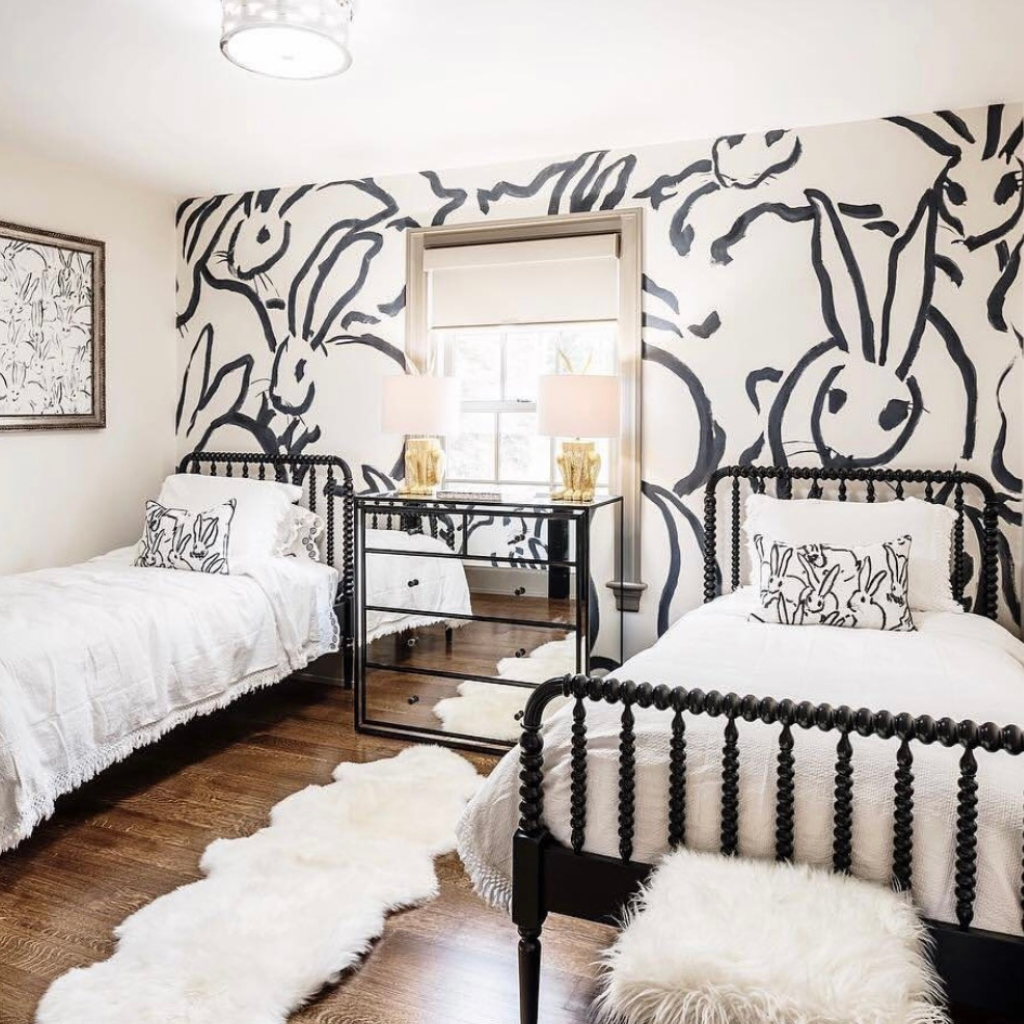
To truly capture the essence of a wildflower meadow, focus on layering textures and patterns. Combine floral prints with natural materials like linen, cotton, and wool. Introduce textured rugs, woven baskets, and wooden accessories to create a tactile and visually interesting space. Don’t be afraid to mix and match different floral patterns, but be mindful of scale and color. A large-scale floral print might work well on a statement armchair, while a smaller-scale print could be used for cushions or curtains. Consider using textured wallpapers with subtle floral designs to add depth and dimension to the walls. The interplay of textures is what will truly bring the space to life.
Don't forget the power of lighting. Soft, warm lighting can enhance the colors and textures of your floral décor, creating a cozy and inviting atmosphere. Consider using dimmer switches to adjust the lighting levels according to the time of day and your mood. Incorporating natural light is also crucial, so make sure to keep windows unobstructed and use sheer curtains to filter the sunlight. A well-lit space will showcase your floral artwork to its best advantage and create a truly immersive experience.
- Incorporate floral patterns into your upholstery and curtains.
- Use textured rugs and throws to add warmth and depth.
- Introduce natural materials like wood, linen, and cotton.
- Don't be afraid to mix and match different floral patterns.
The key is to create a layered and textured environment that mimics the complexity and beauty of a real wildflower meadow. The blending of these textures is what gives the space depth.
The Role of Framing and Presentation
The way you frame and present your floral artwork can significantly impact its overall effect. The right frame can enhance the colors and textures of the artwork, while the wrong frame can detract from its beauty. Consider the style of the artwork and the overall aesthetic of the room when selecting a frame. For a more rustic look, opt for frames made from natural wood or reclaimed materials. For a more modern look, choose sleek metal frames or minimalist black frames. The size of the frame should also be proportionate to the artwork and the surrounding space. A large-scale artwork might require a substantial frame, while a smaller artwork can be framed more delicately.
Beyond the frame itself, consider the mounting and placement of the artwork. Hanging artwork at eye level is generally recommended, but you can also experiment with different heights and arrangements. Consider creating a gallery wall with a collection of smaller floral prints, or using a single large-scale artwork as a focal point. Pay attention to the spacing between the artwork and the surrounding furniture and accessories. A little negative space can help to highlight the artwork and prevent the space from feeling cluttered. Always ensure artwork is securely mounted to prevent accidents.
Hanging Artwork for Maximum Impact
When hanging artwork, consider the principles of balance and proportion. If you’re hanging a single piece of artwork, center it on the wall and ensure it’s at a comfortable viewing height. If you’re creating a gallery wall, start with a larger central piece and then arrange smaller pieces around it, creating a balanced and visually appealing composition. Use a level to ensure that all the artwork is hung straight, and consider using picture hooks that can support the weight of the frames. Before you start hammering nails into the wall, lay out the artwork on the floor to get a sense of the arrangement. This will help you avoid making mistakes and ensure a cohesive and visually satisfying result.
Don’t be afraid to experiment with different arrangements and layouts until you find something that feels right. Remember, there are no hard and fast rules when it comes to decorating your home. The most important thing is to create a space that you love and that reflects your personal style and preferences. Artwork from https://wildflowergallery.co.uk, when thoughtfully presented, can elevate the entire room.
- Measure the wall space before you begin.
- Lay out the artwork on the floor to plan the arrangement.
- Use a level to ensure the artwork is hung straight.
- Choose picture hooks that can support the weight of the frames.
The presentation of artwork is just as important as the artwork itself, and it can make a world of difference in the overall aesthetic of your home.
Beyond the Visual: The Sensory Experience of Wildflower Design
While visual appeal is paramount, truly immersive wildflower-inspired design engages all the senses. Consider incorporating fragrances that evoke the scents of a meadow, such as lavender, chamomile, or rose. Use natural fabrics like linen and cotton that feel soft and breathable against the skin. Introduce textures that mimic the feel of petals, leaves, and stems, such as woven baskets, textured throws, and rough-hewn wood furniture. Even the sounds of nature can contribute to the overall experience. Play recordings of birdsong or gentle breezes to create a calming and restorative atmosphere. The goal is to create a space that feels like a sanctuary – a place where you can escape the stresses of everyday life and reconnect with the natural world.
The enduring appeal of wildflowers lies in their ability to evoke a sense of nostalgia and wonder. They remind us of simpler times, of carefree days spent exploring meadows and forests. By bringing these elements into our homes, we can create spaces that feel both grounding and uplifting. Artwork from https://wildflowergallery.co.uk can be a powerful tool for achieving this effect, but it’s important to remember that it’s just one piece of the puzzle. True wildflower-inspired design is about creating a holistic sensory experience that nourishes the soul and celebrates the beauty of nature.
Hello,
Looking ahead, I aspire to deepen my commitment to helping individuals discover their purpose in life. Whether it’s through personal coaching, workshops, or creating a supportive community, I am eager to leverage my skills in counseling and guidance to assist more clients in navigating their journey towards a fulfilling and purposeful life.
Thanks for taking the time to learn a little bit about me. I’m always open to new connections and experiences, so feel free to reach out!