Remarkable choices and thebonrush-uk.uk elevate interior design possibilities today
- Remarkable choices and thebonrush-uk.uk elevate interior design possibilities today
- The Evolution of Interior Styles
- The Rise of Maximalism and Personalization
- The Importance of Lighting in Interior Design
- Choosing the Right Light Fixtures and Bulbs
- Sustainable Interior Design: A Growing Trend
- Incorporating Eco-Friendly Materials and Practices
- The Influence of Texture and Color
- Beyond Trends: Designing for Longevity
Remarkable choices and thebonrush-uk.uk elevate interior design possibilities today
Interior design is a continuously evolving field, constantly influenced by new trends, technologies, and a growing desire for personalized living spaces. Homeowners and businesses alike are prioritizing aesthetics and functionality, seeking to create environments that are both beautiful and practical. This demand has fueled innovation in materials, furnishings, and design concepts. Finding the right resources to translate these visions into reality is paramount, and discerning clients are increasingly looking for quality and expertise. The search for inspiration and exceptional pieces often leads individuals to explore unique online platforms, such as thebonrush-uk.uk, which aims to provide a curated selection of items to elevate any interior.
The current design landscape is characterized by a blend of styles, from minimalist modernism to eclectic maximalism. Sustainability is also a major driving force, with a growing emphasis on eco-friendly materials and responsible sourcing. Technology plays a crucial role, with smart home integration becoming increasingly popular, allowing for greater convenience and control. Beyond just aesthetics, there’s a focus on wellness in design – creating spaces that promote relaxation, productivity, and overall well-being. This requires a careful consideration of lighting, color palettes, and the incorporation of natural elements. The search for the perfect accent piece, the statement furniture item, or even the right lighting fixture can be time-consuming, which is why platforms offering a carefully selected range of options are proving so valuable.
The Evolution of Interior Styles
Throughout history, interior design has reflected the prevailing cultural and societal trends. From the ornate extravagance of Victorian interiors to the streamlined simplicity of mid-century modernism, each era has left its mark. Today, we see a fascinating fusion of these influences. The popularity of Scandinavian design, with its emphasis on functionality, simplicity, and natural materials, continues to endure. However, there’s also a growing appreciation for bolder colors, patterns, and textures, driven by a desire for self-expression and individuality. The concept of 'biophilic design' – integrating natural elements into indoor spaces – is also gaining traction, as people seek to connect with nature and improve their well-being. This can range from incorporating plants and natural light to using natural materials like wood, stone, and bamboo.
The Rise of Maximalism and Personalization
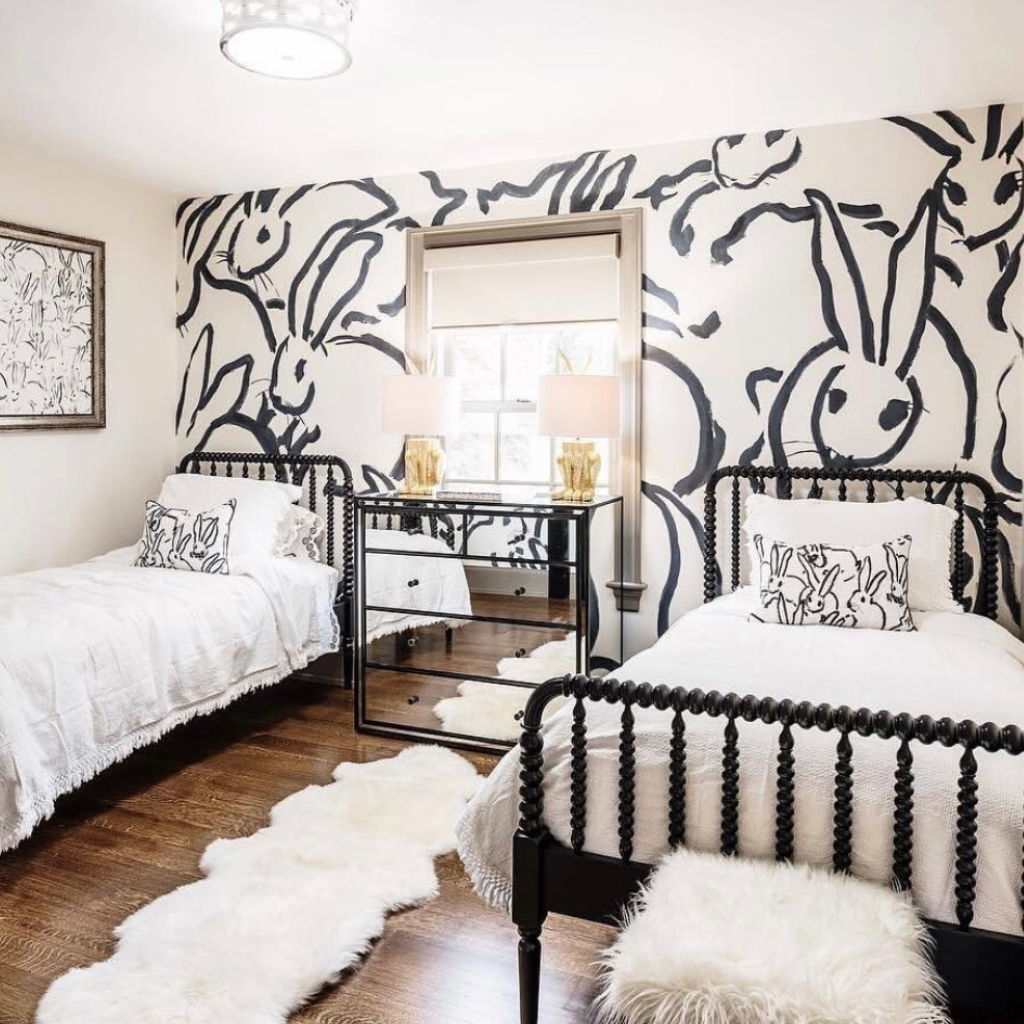
In contrast to the minimalist aesthetic that has dominated for so long, maximalism is experiencing a resurgence. This style embraces bold colors, layered patterns, and an abundance of decorative objects. It's about creating a space that reflects your personality and passions, rather than adhering to strict design rules. However, even within maximalism, careful curation is key. The goal isn’t to simply fill a space with clutter, but to create a cohesive and visually stimulating environment. Personalization extends beyond just aesthetics, encompassing the selection of furniture and accessories that have sentimental value or tell a story. This focus on individuality is driving demand for unique and handcrafted items, further enhancing the appeal of platforms like thebonrush-uk.uk which offer distinctive pieces.
| Design Style | Key Characteristics |
|---|---|
| Scandinavian | Functionality, Simplicity, Neutral Color Palettes, Natural Materials |
| Mid-Century Modern | Clean Lines, Organic Forms, Emphasis on Natural Light, Use of Wood |
| Maximalism | Bold Colors, Layered Patterns, Abundant Decor, Eclectic Mix |
| Biophilic Design | Incorporation of Natural Elements, Plants, Natural Light, Natural Materials |
The table above illustrates the core elements that differentiate some of the most popular current design trends. Considering these styles allows for a more focused approach to interior design, helping to determine which aesthetic best suits individual preferences and lifestyle needs. Understanding these nuances is crucial when sourcing items, ensuring that each piece contributes to a unified and harmonious look.
The Importance of Lighting in Interior Design
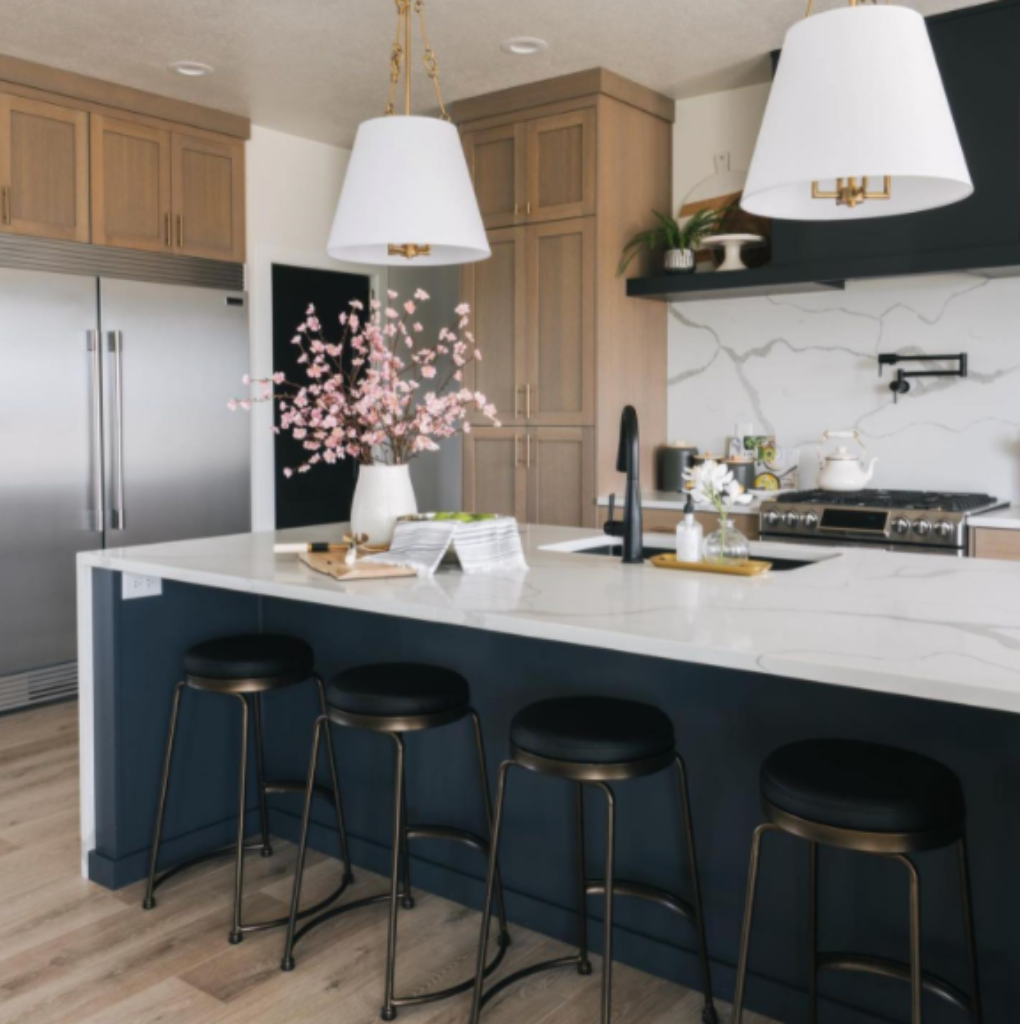
Lighting is often referred to as the 'fourth dimension' of interior design, and for good reason. It has a profound impact on the mood, atmosphere, and functionality of a space. Effective lighting design involves layering different types of light – ambient, task, and accent – to create a balanced and inviting environment. Ambient lighting provides overall illumination, while task lighting focuses on specific areas for activities like reading or cooking. Accent lighting highlights architectural features or decorative objects. The choice of light fixtures is also crucial, with options ranging from chandeliers and pendant lights to recessed lighting and lamps. LED technology has revolutionized lighting, offering energy efficiency, long lifespan, and a wide range of color temperatures.
Choosing the Right Light Fixtures and Bulbs
Selecting the appropriate light fixtures and bulbs requires careful consideration of several factors, including the size of the room, the desired mood, and the overall design style. For example, a large, open-plan living area may benefit from a combination of recessed lighting, pendant lights, and floor lamps. In a bedroom, softer, warmer lighting is typically preferred to create a relaxing atmosphere. When choosing bulbs, consider the color temperature, measured in Kelvin. Warmer temperatures (2700K-3000K) create a cozy, inviting feel, while cooler temperatures (4000K-5000K) are more energizing and suitable for task areas. The availability of smart lighting systems also allows for greater control over brightness and color, further enhancing the flexibility of your lighting design.
- Ambient Lighting: Provides overall illumination, creating a base level of light.
- Task Lighting: Focuses light on specific areas for activities like reading or cooking.
- Accent Lighting: Highlights architectural features or decorative objects.
- LED Technology: Energy-efficient, long-lasting, and versatile lighting option.
The strategic application of these lighting types can dramatically transform a space, enhancing its functionality and aesthetic appeal. A well-lit room feels more spacious, inviting, and comfortable. Utilizing these principles when sourcing new pieces, or even simply rearranging existing ones, can significantly elevate the overall design.
Sustainable Interior Design: A Growing Trend
As environmental awareness grows, so does the demand for sustainable interior design practices. This involves choosing materials and products that are eco-friendly, durable, and responsibly sourced. Sustainable materials include bamboo, reclaimed wood, recycled glass, and organic cotton. Reducing waste is also a key aspect of sustainable design, which can be achieved through mindful consumption, reusing existing items, and choosing products with minimal packaging. Beyond materials, energy efficiency is paramount, with a focus on using LED lighting, energy-efficient appliances, and improving insulation. Sustainable design isn't just about minimizing environmental impact; it's also about creating healthier and more comfortable living spaces.
Incorporating Eco-Friendly Materials and Practices
There are numerous ways to incorporate eco-friendly materials and practices into your interior design project. When renovating, consider using reclaimed materials, such as salvaged wood or brick. For new purchases, look for products made from sustainable materials and manufactured using environmentally responsible processes. Support local artisans and businesses that prioritize sustainability. Reduce your carbon footprint by choosing furniture and accessories that are made locally, minimizing transportation costs. Properly disposing of unwanted items is also crucial, opting for recycling or donation whenever possible. Reducing water consumption through the use of low-flow fixtures and drought-tolerant landscaping are other important considerations. Furthermore, platforms like thebonrush-uk.uk are increasingly showcasing designers and producers who share these values.
- Choose sustainable materials like bamboo, reclaimed wood, and recycled glass.
- Reduce waste through mindful consumption and reuse of existing items.
- Prioritize energy efficiency with LED lighting and energy-efficient appliances.
- Support local artisans and businesses committed to sustainability.
- Properly dispose of unwanted items through recycling or donation.
Implementing these strategies contributes to a healthier planet and a more sustainable lifestyle. It’s a shift in mindset that prioritizes longevity, responsible sourcing, and minimizing environmental impact. Investing in sustainable pieces is not just a trend; it’s a commitment to a better future.
The Influence of Texture and Color
Texture and color are powerful tools in interior design, capable of dramatically altering the mood and feel of a space. Texture adds depth and dimension, creating visual interest and tactile appeal. It can be incorporated through a variety of materials, such as wood, stone, fabric, and metal. Color, on the other hand, evokes emotions and influences perceptions. Warm colors, like red and orange, create a sense of energy and excitement, while cool colors, like blue and green, promote relaxation and tranquility. The skillful combination of texture and color can create a harmonious and visually appealing environment.
Successfully layering textures and colors requires a thoughtful approach. Consider the overall mood you want to create and choose materials and colors that reflect that intention. Don’t be afraid to experiment with different combinations, but always ensure that there is a cohesive element that ties everything together. A neutral color palette provides a versatile foundation, allowing you to add pops of color and texture through accessories and artwork. Remember that lighting plays a crucial role in how colors appear, so consider how the natural and artificial light in a space will affect your choices.
Beyond Trends: Designing for Longevity
While keeping abreast of current design trends can be inspiring, it’s crucial to prioritize longevity in your interior design choices. Trends come and go, but classic design principles remain timeless. Investing in high-quality, well-made pieces that will stand the test of time is a more sustainable and cost-effective approach in the long run. Choose furniture and accessories that you truly love and that reflect your personal style. Avoid fleeting trends that may quickly look dated. Focus on creating a space that is functional, comfortable, and adaptable to your changing needs. A successful interior isn’t about replicating a magazine spread, but about curating a space that is authentically you.
Consider the long-term functionality of a space when making design decisions. How will your needs evolve over time? Can the furniture be easily rearranged or repurposed? Are the materials durable and easy to maintain? By thinking ahead and prioritizing quality over trendiness, you can create an interior that you’ll love for years to come. Furthermore, resources like thebonrush-uk.uk can assist in sourcing items that balance both style and durability, offering a carefully curated selection designed to withstand evolving tastes and lifestyles.
Hello,
Looking ahead, I aspire to deepen my commitment to helping individuals discover their purpose in life. Whether it’s through personal coaching, workshops, or creating a supportive community, I am eager to leverage my skills in counseling and guidance to assist more clients in navigating their journey towards a fulfilling and purposeful life.
Thanks for taking the time to learn a little bit about me. I’m always open to new connections and experiences, so feel free to reach out!